Presidency Rejects World Bank’s Claim of 139million Nigerians in Poverty as “Unrealistic”
 Ayo Marvel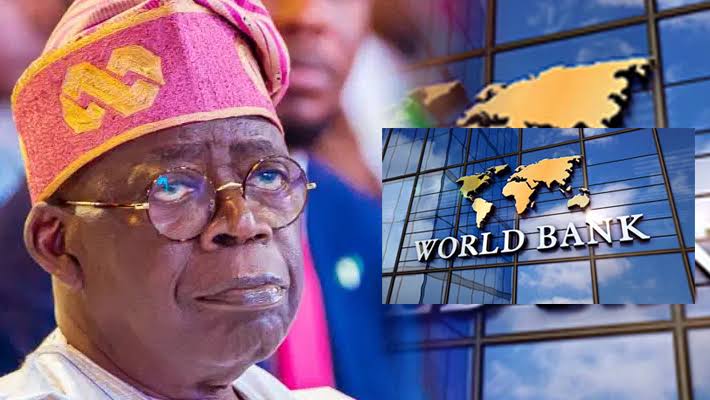
The Nigerian Presidency has rejected the World Bank’s recent report estimating that 139 million Nigerians are living in poverty, describing the figure as “detached from the country’s economic realities” and an analytical projection rather than a factual count.
The World Bank, in its October 2025 Nigeria Development Update titled “From Policy to People: Bringing the Reform Gains Home,” claimed that the number of Nigerians living below the global poverty line of $2.15 per day has risen sharply from 129 million in April 2025 and 87 million in 2023 to 139 million. The Bank argued that despite signs of economic recovery — including a 3.9 percent GDP growth in the first half of 2025, foreign reserves exceeding $42 billion, and an improving fiscal deficit projected at 2.6 percent of GDP — most households have not felt the benefits of reform. It noted that food inflation remains a major constraint, with families spending up to 70 percent of their income on food while the cost of a basic food basket has increased fivefold since 2019.
Responding to the report, President Bola Tinubu’s Special Adviser on Media and Public Communication, Sunday Dare, dismissed the World Bank’s assessment as a modelled estimate that does not reflect real conditions on the ground. He argued that the poverty threshold used by the Bank — $2.15 per person per day — is based on 2017 Purchasing Power Parity rather than current exchange rates, making the calculation misleading. According to him, that benchmark, when converted to present naira terms, amounts to about ₦100,000 per month, which already exceeds the newly approved ₦70,000 minimum wage. Dare further contended that the World Bank relied on outdated national data, since Nigeria’s last major consumption survey was conducted in 2018/2019, and that the methodology underestimates the role of informal and subsistence economies that sustain millions of Nigerians.
The Presidency maintained that Nigeria’s economic trajectory is improving and that the focus should be on the positive direction of ongoing reforms rather than static global figures. It also highlighted the government’s social intervention programmes — including conditional cash transfers to 15 million households, the Renewed Hope Ward Development Programme, and food security initiatives — as evidence of its commitment to building a resilient and inclusive economy where macroeconomic stability translates into improved living standards.
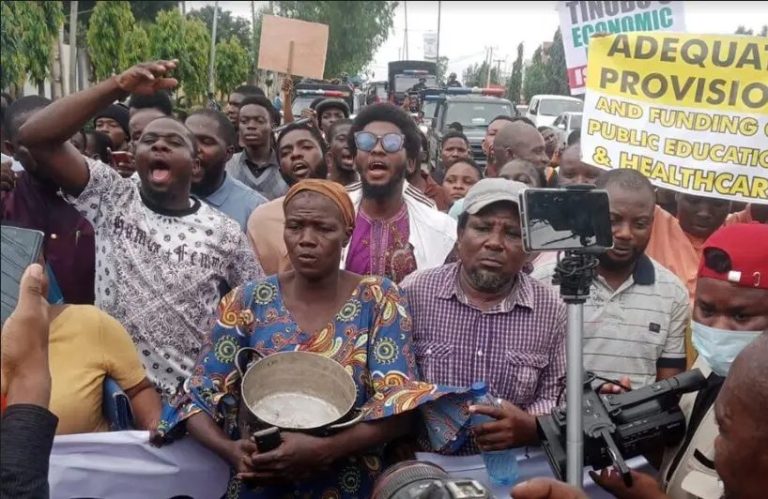
However, economists and civic groups have offered mixed reactions. While some warn that dismissing internationally recognised poverty metrics risks eroding data credibility, others agree that the World Bank’s figures must be interpreted with caution given Nigeria’s unique cost structures and large informal sector. Critics also note that widespread hardship, inflation, and unemployment remain evident across communities, regardless of which dataset prevails.
Analysts have urged the government to commission independent, up-to-date poverty and welfare surveys, ensure transparency in social spending, and align reform gains with measurable improvements in daily living conditions.
Ultimately, the dispute between the World Bank and the Presidency reflects more than a statistical disagreement — it underscores the tension between global economic models and local realities. Whether the true number is 139 million or less, the essential question remains whether Nigeria’s economic recovery is reaching the homes, markets, and farms where it matters most.
About the Author


 Emmanuel Femi Adedayo
 Ademola Busayo