James Watson, Co-discoverer of DNA’s Double-Helix Structure, dies at 97
 Emmanuel Femi Adedayo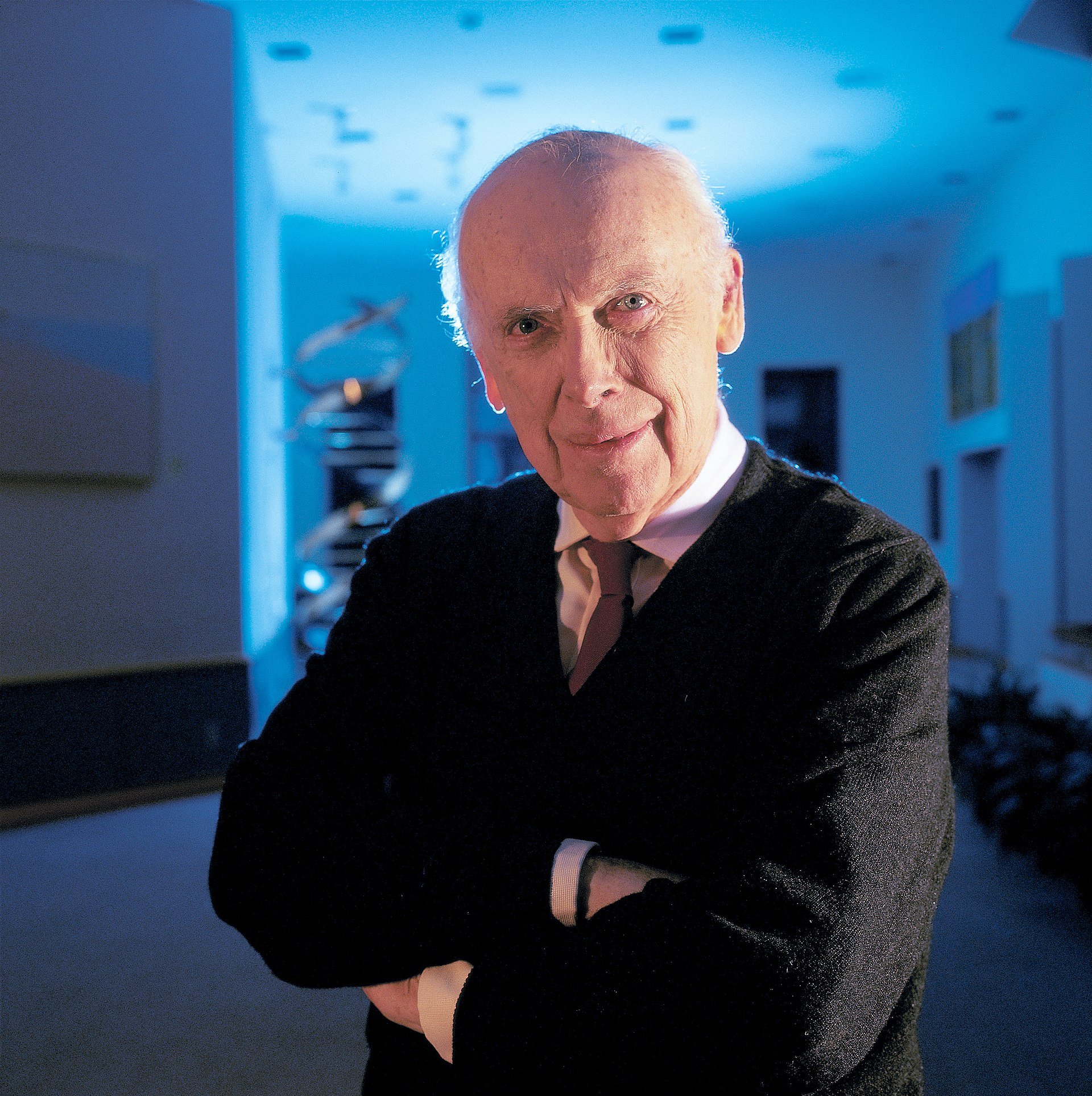
James Watson, a renowned molecular biologist and one of the Nobel Prize winners for discovering the structure of DNA, died Thursday after a brief illness, according to a statement from his former employer. He was 97.
His death was confirmed by a spokesperson with Cold Spring Harbor Laboratory, where he spent the bulk of his career, who cited he died following a brief illness.
James Watson, the American 1962 Nobel Prize winning molecular biologist whose co-discovery of the double-helix structure of DNA helped make possible the mapping of the human genome, has died at age 97.
Often celebrated as a pioneer of genetics, allegations of uncredited work and discriminatory and inflammatory remarks cast a shadow over his legacy.
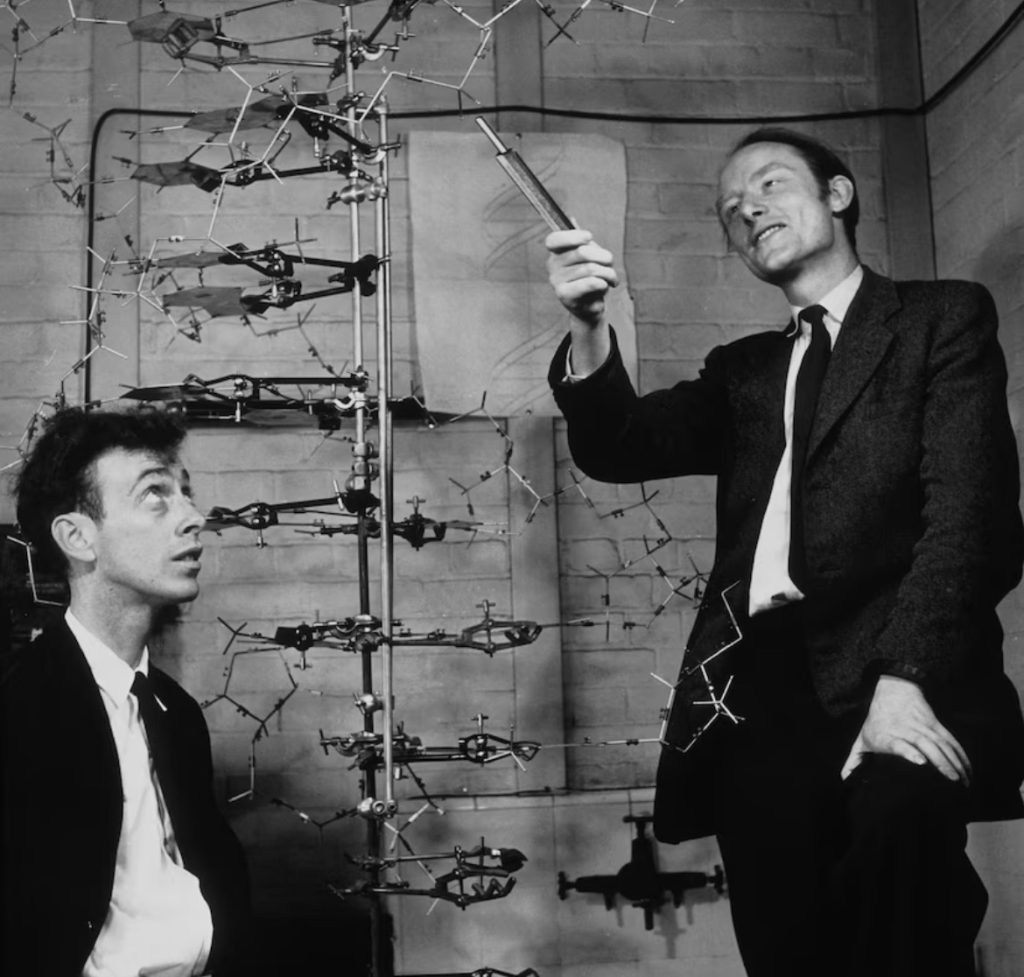
In the spring of 1953, Watson and fellow molecular biologist Francis Crick described the now-familiar twisting ladder double-helix structure of deoxyribonucleic acid in the British journal Nature. It was the first time anyone had seen the DNA molecule that carries the genetic information of every living organism, including humans, and it revolutionized thinking about everything from our evolutionary origins to inherited diseases.
(What are the origins of our species and how did we evolve?)
“I made the discovery of the century,” Watson said decades later. “Suddenly to see the molecule which is responsible for heredity, and which makes possible human existence, was a very big step in man’s understanding of himself in the same sense that Darwin knew that the human species wasn’t fixed, that we were changing. It was bound to affect your attitude to everything.”
Watson’s controversial legacy
Though Watson would famously begin his book about their discovery, The Double Helix, with the words “I have never seen Francis Crick in a modest mood,” he himself was never known for humility or tact.
He was accused of making racist and sexist observations and was quoted as favoring genetic engineering to do away with “stupidity” and make “all girls pretty.”
“Unlike most scientists, Watson’s legacy will always be colored by the 50 years of public commentary he also left behind in books, articles, interviews, and lectures,” said Georgia State University law professor Paul Lombardo, an expert on bioethics.
About the Author



 Ademola Busayo
 Ayo Marvel