15% of Nigerian Girls Between 15 and 19 Are Mothers or Pregnant, Says Women Affairs Minister
 Ademola Busayo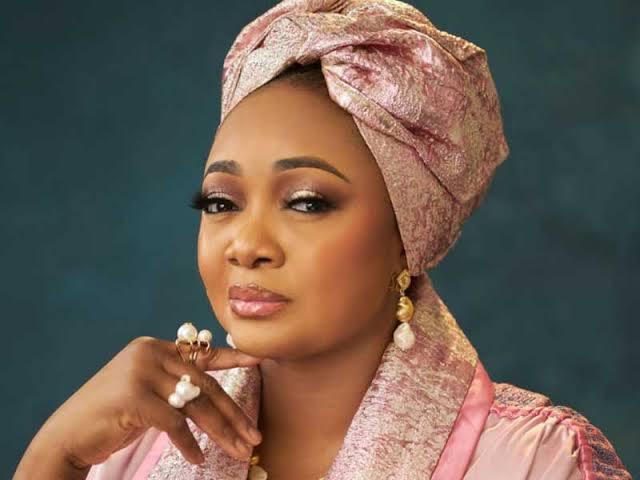
The Minister of Women Affairs and Social Development, Hajiya Imaan Sulaiman-Ibrahim, has lamented that 15 per cent of girls aged 15 to 19 are already mothers or pregnant.
Sulaiman-Ibrahim also lamented that over 7.3 million adolescent girls and women suffer from malnutrition, with 55 per cent affected by anaemia, conditions that can be exacerbated by poor menstrual hygiene and lack of affordable sanitary products.
The minister disclosed this in a statement released by the ministry on Wednesday.
The minister revealed the statistics by UNICEF at the end of a meeting during the validation and adoption of Nigeria’s first National Policy on Menstrual Health and Hygiene Management (MHHM).
Sulaiman-Ibrahim, who was represented by the permanent secretary in the ministry, Dr Maryam Keshinro, stated that the recent waivers on sanitary towels by President Bola Tinubu showed his sensitivity to gender and public health matters.
She explained that the meeting was held to address the challenges faced by women and girls.
The minister also described the policy as a milestone toward ensuring that menstruation does not hinder the rights, opportunities, or well-being of any woman or girl.
“Implementation will require strong collaboration across sectors, political will, and active participation from states, communities, and development partners,” she said.
She noted that women aged 15 to 49 constitute about 25 to 30 per cent of the country’s population.
She described menstruation as a normal biological process that should never be a source of shame, stigma, or economic hardship.
“It is a normal biological process that should never be a source of shame, stigma, or economic hardship. No woman should be hindered in her personal or professional development because of menstruation, and no community should sustain stigma or exclusion linked to it,” she said.
Also speaking, Acting Country Representative of Population Services International (PSI) in Nigeria, Mrs Fifi Ogbondeminu, said the event marks a milestone in addressing menstruation with dignity, empathy, and urgency.
Ogbondeminu, who was represented by the Team Lead for Menstrual Health Initiatives at PSI Nigeria, Dr Abdulhameed Adediran, described menstrual health as a human rights issue, a gender equality issue, and a development issue.
She emphasised ensuring low-cost menstrual products are available in rural and urban areas.
About the Author


 Emmanuel Femi Adedayo
 Ayo Marvel