Ijebu-Igbo Icon, Alhaja Batuli Alake: Remembering the Life, Legacy, True Pioneer and Mother of Waka Music by Ayo Marvel
 Ayo Marvel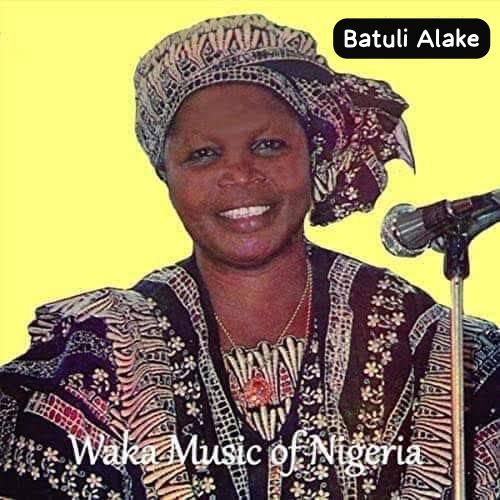
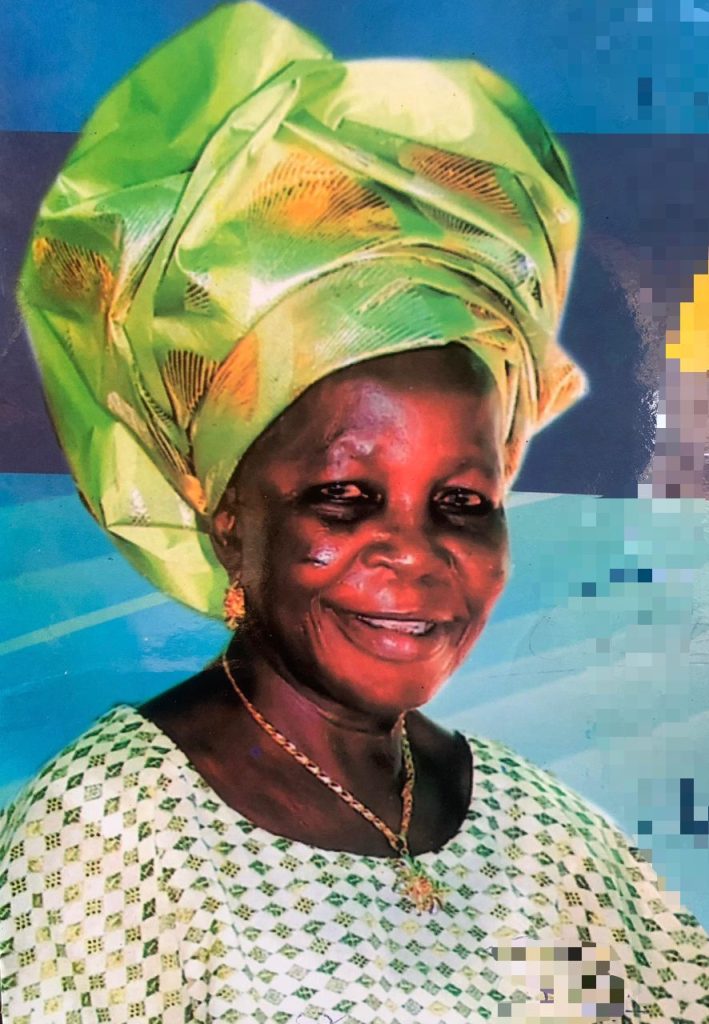
Alhaja Chief Batuli Alake was born in 1935 and died August 10, 2013 at the age of 82, she remains one of the most influential figures in Yoruba music history.
Born in Oke Jaga area, Oke Sopen in Ijebu-Igbo, Ogun State, she rose to prominence in the 1950s as the first professional Waka singer to record an album, transforming the female-led rárà chant tradition into a recognized and commercially viable genre.
Her performances, marked by deep percussive rhythms and improvisational brilliance, blended Islamic influences with Yoruba musical heritage. Known for her lyrical dexterity, Alake skillfully adapted language to intensify the emotional impact of her songs, ensuring her music resonated with diverse audiences.
She remains one of the most revered figures in the history of Yoruba traditional music. Her journey from a modest beginning in Ijebu-Igbo to becoming a celebrated Waka music icon is a story of resilience, talent, and cultural pride.
Early Life and Background
Alhaja Batuli Alake was born in 1935 to Late Pa Seidu Gbadamosi, a Sakara musician, and Late Madam Sawuli Gbadamosi of Ojowo, Olokine, Ijebu-Igbo. She was the only female child of her parents.
Her father, believing that girls belonged in the kitchen, denied her the opportunity of formal education. Nonetheless, her naming ceremony was celebrated for eight days, a mark of her father’s joy at the birth of his only daughter.
The Birth of a Music Career
From a young age, Mama Batuli showed a natural flair for music. She first joined her elder sisters in singing, but her exceptional voice soon made her the lead of their group. When her sisters eventually got married, she formed her own band in 1955, called Batuli Alake and Her Waka Group.
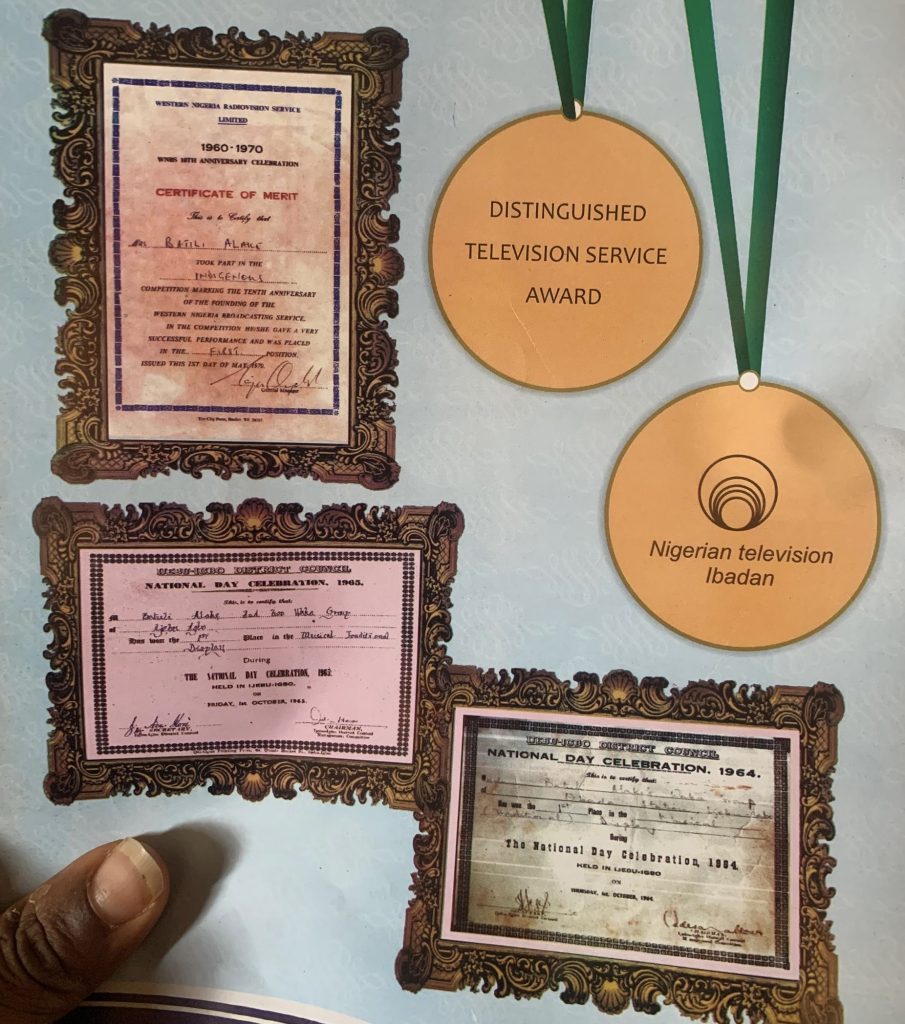
Her group went on to record extensively with top music companies of the time, including Decca Records, Star Records, Femco Records, and Leader Records. Despite her numerous contributions, compensation from these companies was often inadequate.
In 1976, her talent earned her international recognition, as she travelled to London, sponsored by Femco Records, where she performed to a global audience.
Religious and Social Engagements
Alhaja Batuli Alake was deeply rooted in her faith and community. She became an active member of the Ansar-Ud-Deen Society, Ijebu-Igbo, from its resuscitation in 1978, and participated in several religious and social societies, including:
• Egbe Bolorunsowo Ansar-Ud-Deen Society, Ijebu-Igbo
• Odoladegunsen Community Development Association, Oke Sopen, Ijebu-Igbo
• Ijebu-Igbo Development Association
As a musician, she also held memberships in professional bodies such as:
• Performing Musicians Employers Association of Nigeria (PMAN), Ogun State Chapter
• Musical Copyright Society of Nigeria (MCSN)
Honours and Recognition
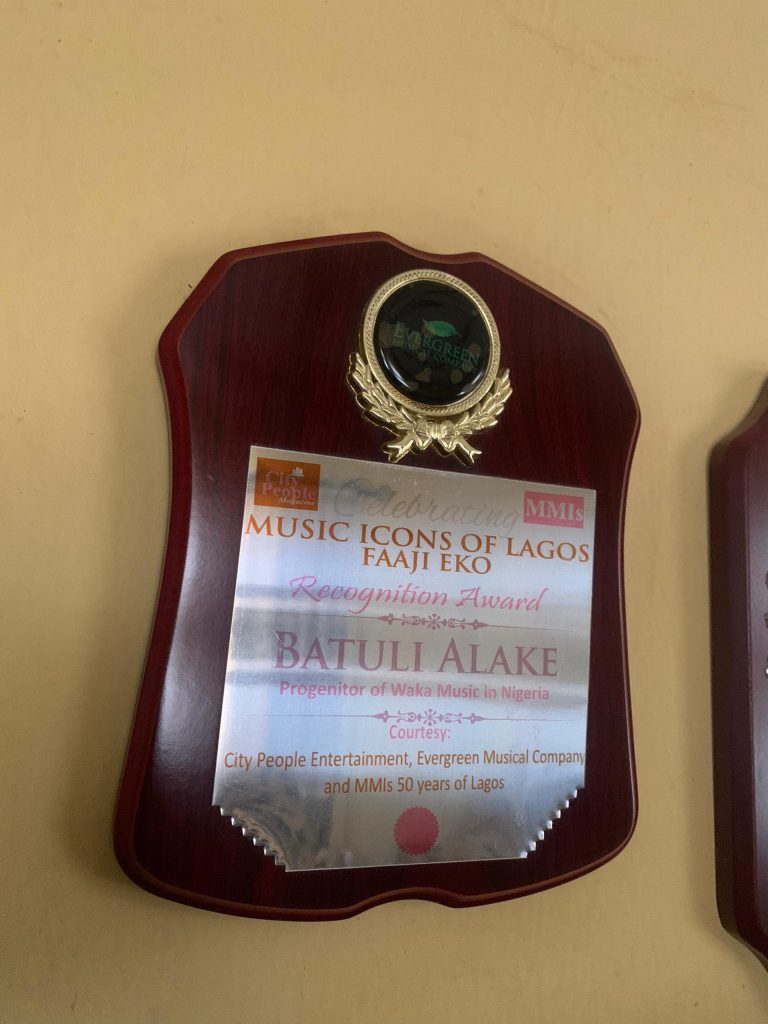
Mama’s artistry earned her admiration far and wide. She was honoured by the Western Region Government during a performance in Ibadan and received commendations from several media houses, including WNTV, BSOS, OGTV, LTV Lagos, Radio Nigeria Ibadan, Ogun Radio Abeokuta, and Lagos Radio.
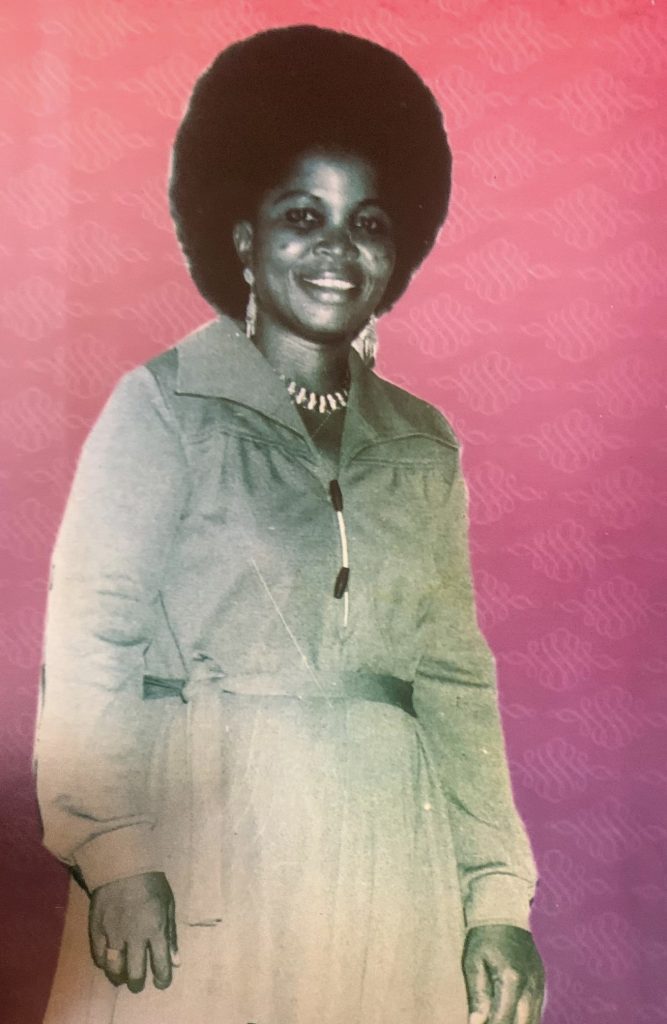
She was conferred with the honorary title of Iyalaje Foologba of Ibadan, a recognition of her influence and contribution to culture.
Personal Life and Character
Beyond music, Chief Batuli Alake was known for her warm and receptive personality, which enabled her to build lasting relationships with friends, colleagues, and family. She travelled across Nigeria and abroad, performing concerts that carried the essence of Yoruba heritage.
Mama was blessed with six wonderful children. Her first child, Mr. Adebola Ganiyu, in an interview with renowned writer Ayo Marvel along side with Bhenji Shot It, shared details of her personal life, describing her as a devoted mother who passed down blessings to her children.
Chief Batuli Alake left behind not only her recordings and contributions to Waka music but also a legacy of resilience, faith, and cultural pride. She remains celebrated as a pioneer whose works paved the way for generations of female musicians after her.
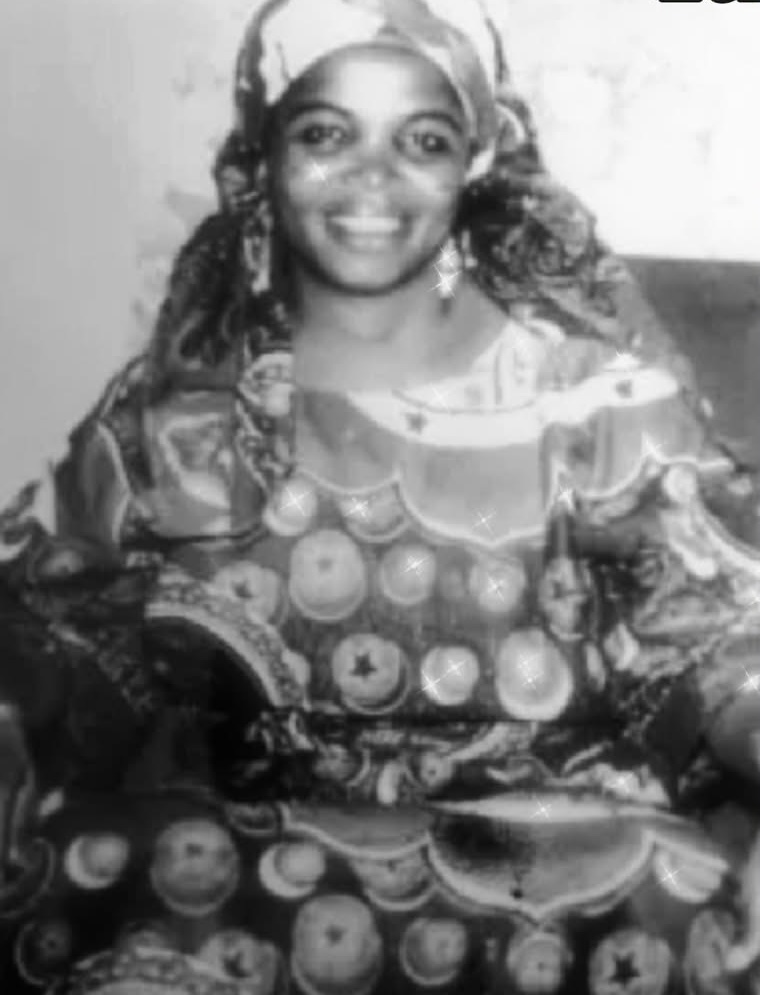
While her contemporaries later infused faster tempos and modern themes, Alake stayed rooted in tradition, preserving the authenticity and cultural richness of Waka music. Through live concerts and groundbreaking recordings, she elevated the genre from communal gatherings to national acclaim, inspiring generations of female musicians.
Though Alhaja Salawa Abeni would later popularize Waka on an even broader scale, it was Batile Alake who laid the essential foundation, creating the path and defining the framework of a genre that remains an enduring part of Yoruba and Nigerian cultural heritage.
Alhaja Batile Alake passed away in Ijebu-Igbo in 2013 at the age of 82, but her legacy as the mother and true pioneer of Waka music continues to live on.
Mama Batuli Alake paved the way for later stars like Salawa Abeni, who would go on to achieve commercial success.
Alhaja Batuli Alake, the proud daughter of Ijebu-Igbo, remains the true pioneer and mother of Waka music.
Through her signature recordings such as “Eni Subu Parijo,” “Iwa,” “Ore,” “Ojú Mo Ti Mo,” “Mo Eun Bge Are Mide,” and thematic albums like Road Safety, she transformed Waka from a regional chant to a celebrated musical tradition, leaving an indelible mark on Nigeria’s cultural heritage.
The picture below shows her final resting place at her residence in the Oke Jaga area of Ijebu-Igbo.
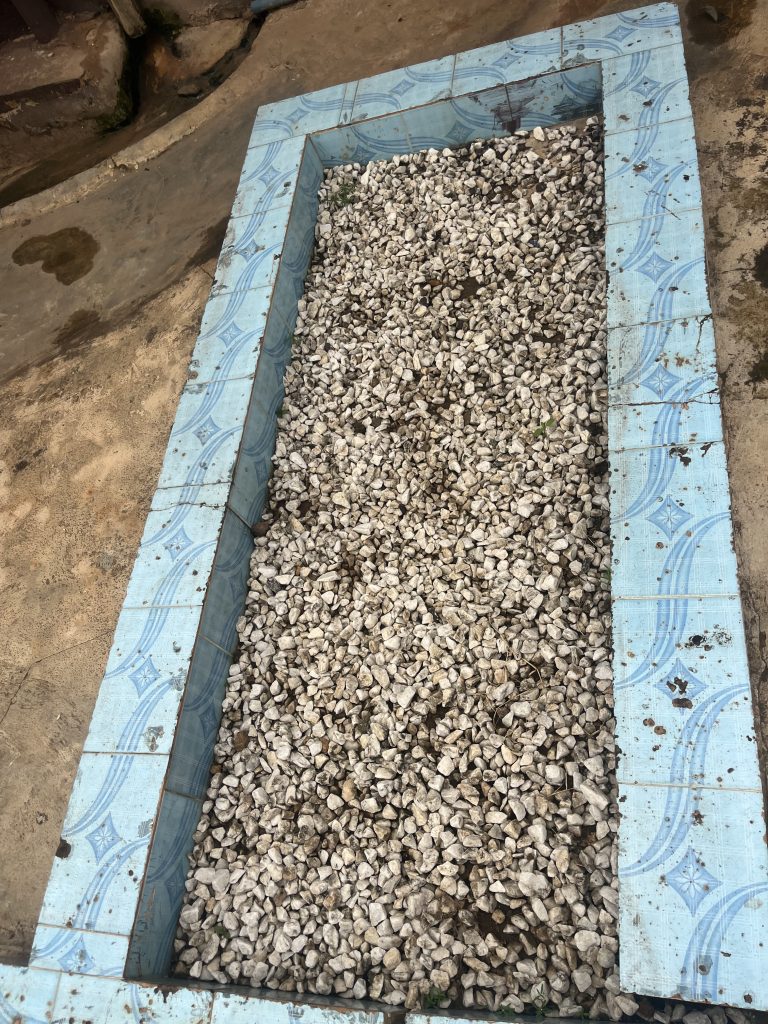
Alhaja Chief Batuli Alake’s life was more than music, it was a testament to courage, heritage, and the power of a woman’s voice in a society that once sought to silence it.
For more inspiring stories, follow us on social media @MarvelTvUpdates or send us an email at info@marveltvupdatesng.com.
About the Author

 Ademola Busayo
 Emmanuel Femi Adedayo