From January 2026, Nigerians to Pay N500 Tax on Every N10,000 Spent on Petrol
 Emmanuel Femi Adedayo
In a bid to shore up fiscal revenues and fund long-delayed infrastructure, the Federal Government has announced a 5% surcharge on both locally refined and imported petrol, effective January 1, 2026. Rooted in the Nigeria Tax Administration Act, the policy builds on the 2023 fuel subsidy removal and aims to generate around ₦796 billion annually, based on current petrol prices and demand.
However, this fiscal policy shift has sparked widespread concern across economic, social, and environmental lines, as many Nigerians continue to struggle with rising inflation and diminishing purchasing power.
Economic Impact: Inflationary Surge and SME Pressure
The surcharge will likely raise pump prices by ₦50–₦75 per litre, pushing the average cost from ₦1,025 to over ₦1,100 per litre. For households consuming 40 litres monthly, that’s an added cost of ₦2,000–₦3,000 an amount significant enough to tip household budgets, especially for wage earners already burdened by post-subsidy inflation.
Nigeria consumes an estimated 40 billion litres of petrol annually. With this surcharge, inflationary pressures are poised to intensify. Empirical data, such as the 2024 DS-ARDL inflation simulation study, confirms that petrol price shocks typically induce a 0.5%–1% increase in inflation and take up to two years for price stability to return.
Critical sectors especially logistics, transport, and agro delivery are likely to feel the pinch. Following the 2023 subsidy removal, transport costs surged by over 30%, and SMEs bore the brunt. A repeat scenario could stifle business activity, trigger job losses, and suppress demand. Oil marketers and NNPCL officials have already warned they will pass the cost to consumers, driving up the prices of goods and services.
Still, the fiscal revenue expected from this policy could help reduce Nigeria’s chronic deficit, which peaked at 6.3% of GDP in 2021. According to the Ministry of Finance, proceeds will fund road repairs, transit upgrades, and other capital projects. However, citizens remain sceptical about actual execution. A 2024 Afrobarometer report revealed that 88% of Nigerians distrust the government’s handling of economic policy an alarm bell for transparency advocates.
Social Impact: Rising Poverty and Mass Discontent
The surcharge is expected to hit low and middle income earners hardest. The 2023 subsidy removal had already pushed petrol from ₦185 to ₦1,025 per litre, fuelling an inflation wave that peaked in mid-2024. For many, the surcharge is yet another blow.
In 2024, over 79% of Nigerians reported experiencing high levels of poverty, and analysts warn that the surcharge could push another 4 million people below the poverty line in 2026 if the government fails to introduce safeguards.
Urban households, which spend a larger share of their income on fuel, will be more directly affected. Rural populations, though less exposed, will feel the secondary ripple effects particularly from rising food transport costs. Public reaction has been fierce, as citizens liken the policy to extortion.
The government has hinted at cushioning mechanisms, possibly through conditional cash transfers akin to the $800 million World Bank-backed programme post-2023. But execution and reach remain ambiguous.
Environmental Impact: Marginal Gains, Missed Opportunities
On the environmental front, the policy may offer modest gains. Analysts suggest a 2–3% decline in petrol consumption could follow, potentially cutting emissions by up to 15 million tonnes of CO₂ annually.
However, critics argue the policy lacks strategic alignment with Nigeria’s climate ambitions. There’s no clear integration with renewable energy incentives or electric vehicle support. Instead, many fear the surcharge could deepen diesel generator dependence, especially among the 48.6% of households with unreliable grid electricity. Without investment in solar or hybrid power, the environmental benefit remains limited.
Policy and Political Challenges: Trust Deficit and Fiscal Fragility
The surcharge arrives amid a climate of distrust. An overwhelming majority of Nigerians perceive government economic policies as misaligned with public welfare. The House of Representatives’ 2022 probe into ₦4.9 trillion in mismanaged subsidy payments only deepened these fears.
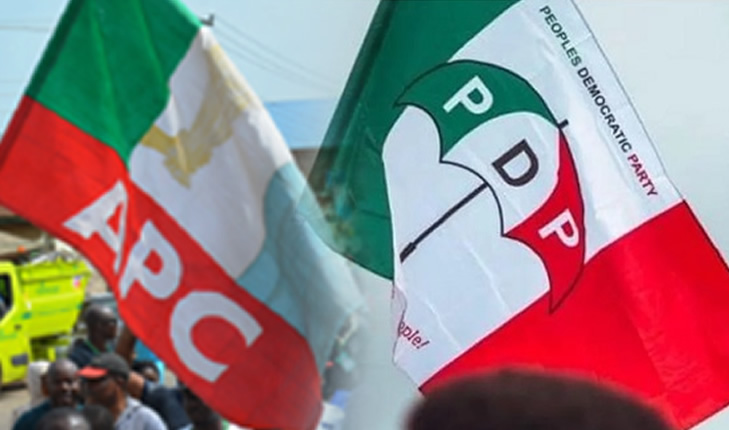
Opposition lawmakers have condemned the new surcharge as regressive, arguing that it disproportionately burdens the masses while oil firms remain largely insulated. To restore public confidence, fiscal experts recommend ring-fencing the revenue for targeted interventions—such as public transport subsidies, refinery rehabilitation, and rural development.
There is also a strategic energy dimension. Reviving Nigeria’s ailing state-owned refineries could reduce reliance on imports and stabilise prices long-term. Despite crude allocations to the Dangote Refinery, progress has been slow, and full domestic sufficiency remains elusive.
Between Fiscal Urgency and Public Apathy
The 5% petrol surcharge promises to plug revenue shortfalls and fund capital projects, but it also threatens to deepen the economic malaise for ordinary Nigerians. With over 79% of the population living in hardship, the policy could widen inequality, trigger fresh protests, and stall recovery efforts.
For the surcharge to succeed, the government must act transparently and proactively investing in transport alternatives, supporting the poor, and rebuilding public trust. Without these steps, what was designed as a fiscal lifeline may turn into a political landmine.
About the Author



 Ayo Marvel
 Ademola Busayo