Nigeria’s Public Debt Rises to N152.40 Trillion Under Tinubu Government — DMO Report
 Ayo Marvel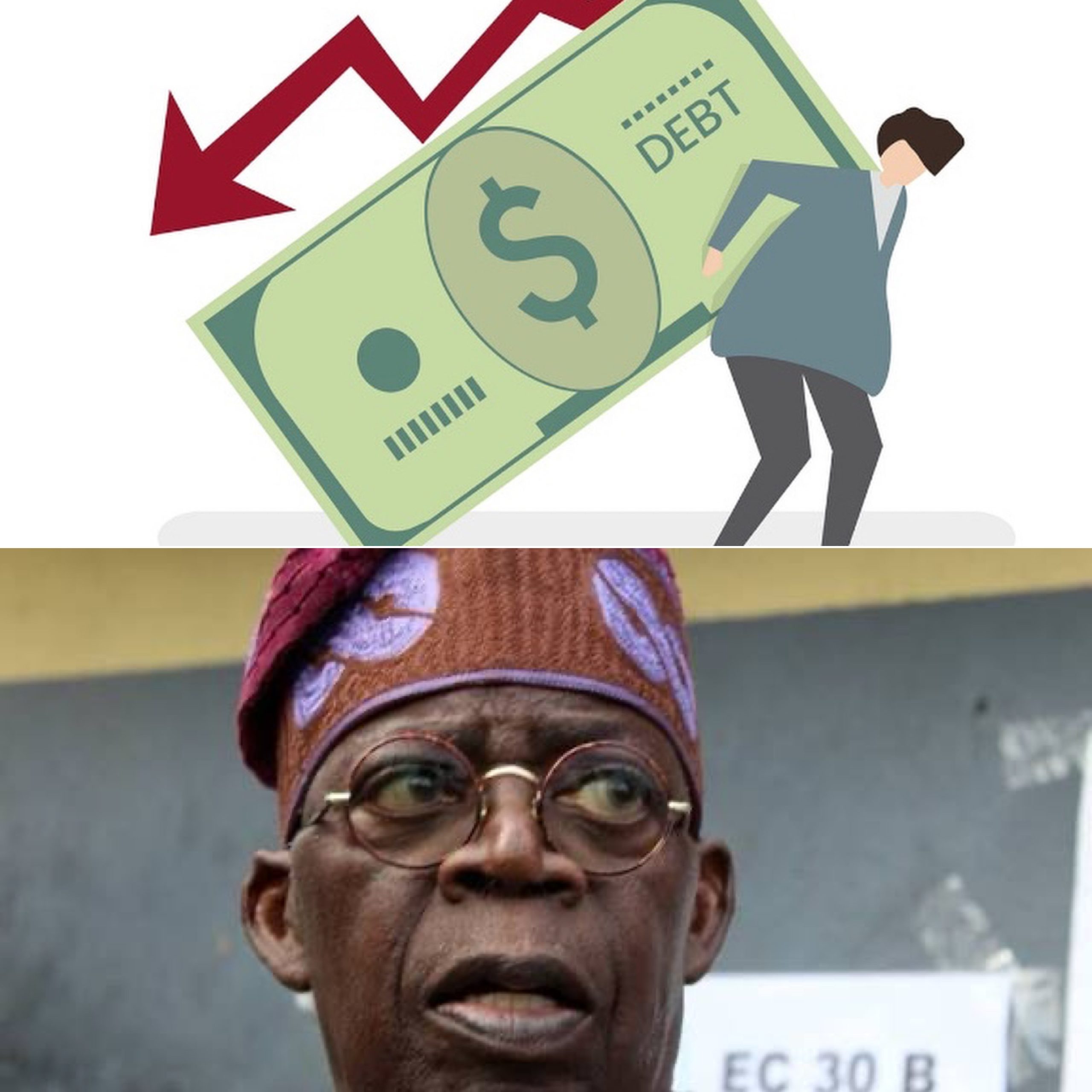
created by photogrid
Nigeria’s total public debt has increased to ₦152.40 trillion as of June 30, 2025, rising from ₦149.39 trillion recorded at the end of March, according to the latest report released by the Debt Management Office (DMO). The new figure represents an increase of about ₦3.01 trillion within three months, reflecting the government’s continuous borrowing to finance budget deficits and key economic programmes under President Bola Ahmed Tinubu’s administration.
The DMO explained that the surge was driven by both domestic and external borrowing, as well as the depreciation of the naira against major international currencies. In dollar terms, Nigeria’s total debt stock grew from $97.24 billion in March to $99.66 billion by June 2025. The agency also noted that while the government continues to borrow to fund infrastructure and reform projects, exchange rate volatility has significantly inflated the naira value of foreign debts.
Further analysis showed that external debt stood at $46.98 billion, equivalent to ₦71.85 trillion, compared to $45.98 billion (₦70.63 trillion) recorded in March. On the domestic front, the debt stock rose from ₦78.76 trillion to ₦80.55 trillion within the same period, indicating an increase of about ₦1.79 trillion. Federal Government bonds made up the largest share of domestic debt, accounting for more than 79 percent of the total, while other components included Treasury bills, Sukuk, and Ways and Means advances.
The report further disclosed that the Federal Government is responsible for roughly ₦141.08 trillion, representing over 92 percent of the total debt stock, while the remaining ₦11.32 trillion is owed by state governments and the Federal Capital Territory. This concentration of debt at the federal level highlights the fiscal imbalance between the tiers of government and the heavy reliance on federal borrowings to sustain national projects.
Meanwhile, debt servicing has also continued to weigh heavily on public finances. In the second quarter of 2025 alone, Nigeria reportedly spent ₦1.7 trillion on servicing domestic debt — comprising ₦1.68 trillion in interest payments and ₦20.14 billion in principal repayments. Analysts warn that such a high debt service-to-revenue ratio could crowd out essential spending on education, healthcare, and infrastructure.
Experts have called for urgent fiscal reforms to address the growing debt burden. They emphasize the need for the federal government to improve domestic revenue generation, block leakages, and reduce overdependence on borrowings. There have also been renewed calls for better transparency in debt utilization and prioritization of loans toward projects that can stimulate economic growth and create jobs.
As Nigeria’s public debt continues to rise, questions remain about sustainability and long-term fiscal stability. Economic observers stress that while borrowing can be a useful tool for development, excessive accumulation without adequate revenue expansion could threaten macroeconomic stability. The government is therefore urged to strike a balance between funding national development and maintaining a sustainable debt profile.
About the Author


 Emmanuel Femi Adedayo


 Ademola Busayo