Ayo Marvel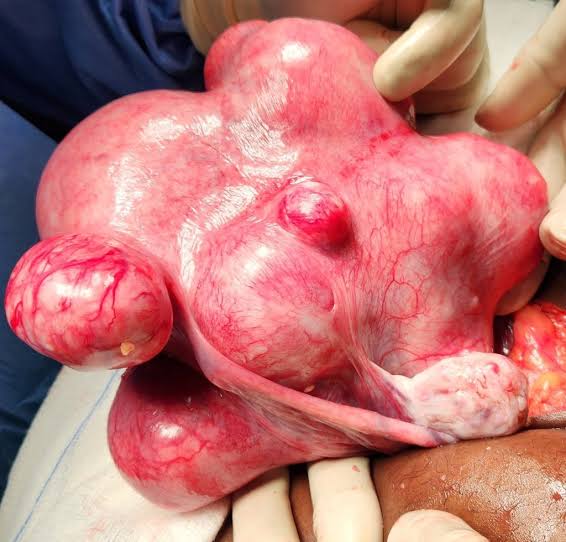
Fibroid, also known as Uterine fibroids, is a common health condition affecting many women, especially those of childbearing age. It is a non-cancerous growth that develops in or around the womb (uterus).
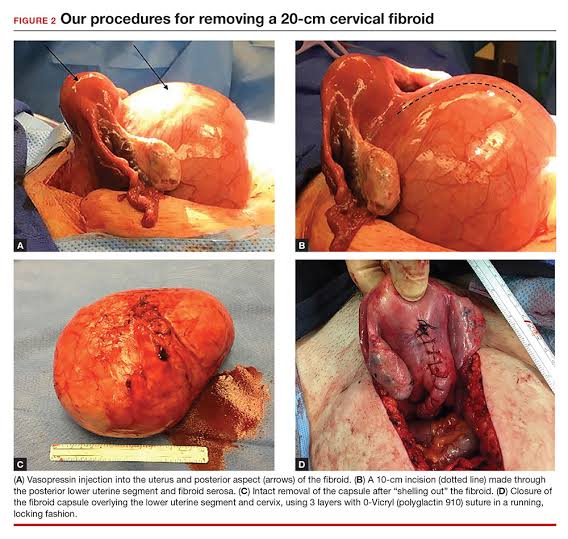
Medical experts say fibroids can be very small like a seed, or grow very large and weigh several kilograms. In some rare cases, doctors have successfully removed very large fibroids during surgery.
The exact cause of fibroid is not fully known, but it is linked to hormones like estrogen. It is more common in women between the ages of 20 and 50, and it may run in families.
Some women with fibroids may not notice any symptoms at all. However, others may experience heavy menstrual bleeding, lower abdominal pain, frequent urination, bloating, and difficulty getting pregnant.
Fibroids (also called uterine fibroids) are non-cancerous growths that develop in or around the uterus. There isn’t a fixed number of fibroids a person can have one woman can have a single fibroid or multiple (even dozens) at the same time.
Types of Fibroids
Fibroids are mainly classified based on where they are located in the uterus:
1. Intramural Fibroids
• The most common type
• Grow within the wall of the uterus
2.  Subserosal Fibroids
•   Grow on the outer surface of the uterus
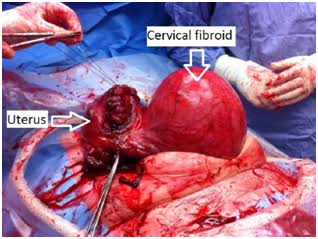
•   Can become very large and press on nearby organs

3.  Submucosal Fibroids
•   Grow just under the inner lining of the uterus
•   Can affect menstrual bleeding and fertility

4.  Pedunculated Fibroids
•   Attached to the uterus by a thin stalk (like a stem)
•   Can grow either inside or outside the uterus
Health professionals advise that early detection is important. Fibroids can be diagnosed through medical tests such as ultrasound scans or physical examination by a doctor.
Treatment depends on the size and symptoms. Some fibroids may not need treatment if they are not causing problems. Others may be treated with medication or surgery. In serious cases, doctors may perform an operation to remove the fibroid while preserving the womb.
Experts also recommend that women maintain regular medical check-ups, eat a balanced diet, and seek medical advice if they notice unusual symptoms.
Fibroid is not cancer, but it can affect a woman’s quality of life if not properly managed. With proper care and early treatment, many women live healthy and normal lives.
Fibroids can be small and cause no symptoms, but when they grow, common signs include:
• Heavy menstrual bleeding (sometimes with clots)
• Long or painful periods
• Frequent urination (pressing on the bladder)
• Pain or pressure in the lower abdomen
• Swollen or bloated stomach
• Pain during sex
• Lower back pain
• Difficulty getting pregnant (in some cases)
Some women may also feel tired or weak due to blood loss, which can lead to anaemia.
Precautions / What you can do
Fibroids cannot always be prevented, but you can reduce risks and manage them better with these habits:
•   Go for regular medical check-ups (especially pelvic scan if symptoms appear)
•   Maintain a healthy weight (obesity can increase risk)
•   Eat more fruits, vegetables, and fibre
•   Reduce red meat and processed foods
•   Exercise regularly
•   Manage stress
•   Don’t ignore heavy or unusual menstruation—see a doctor early
•   Avoid self-medication or herbal mixtures without medical advice
Women are encouraged to speak openly about their health and seek professional help when necessary.
About the Author



 Ademola Busayo
 Emmanuel Femi Adedayo