President Donald Trump Moves to Restrict Nigerians, International Students to Four-Year Study Period in U.S.
 Ayo Marvel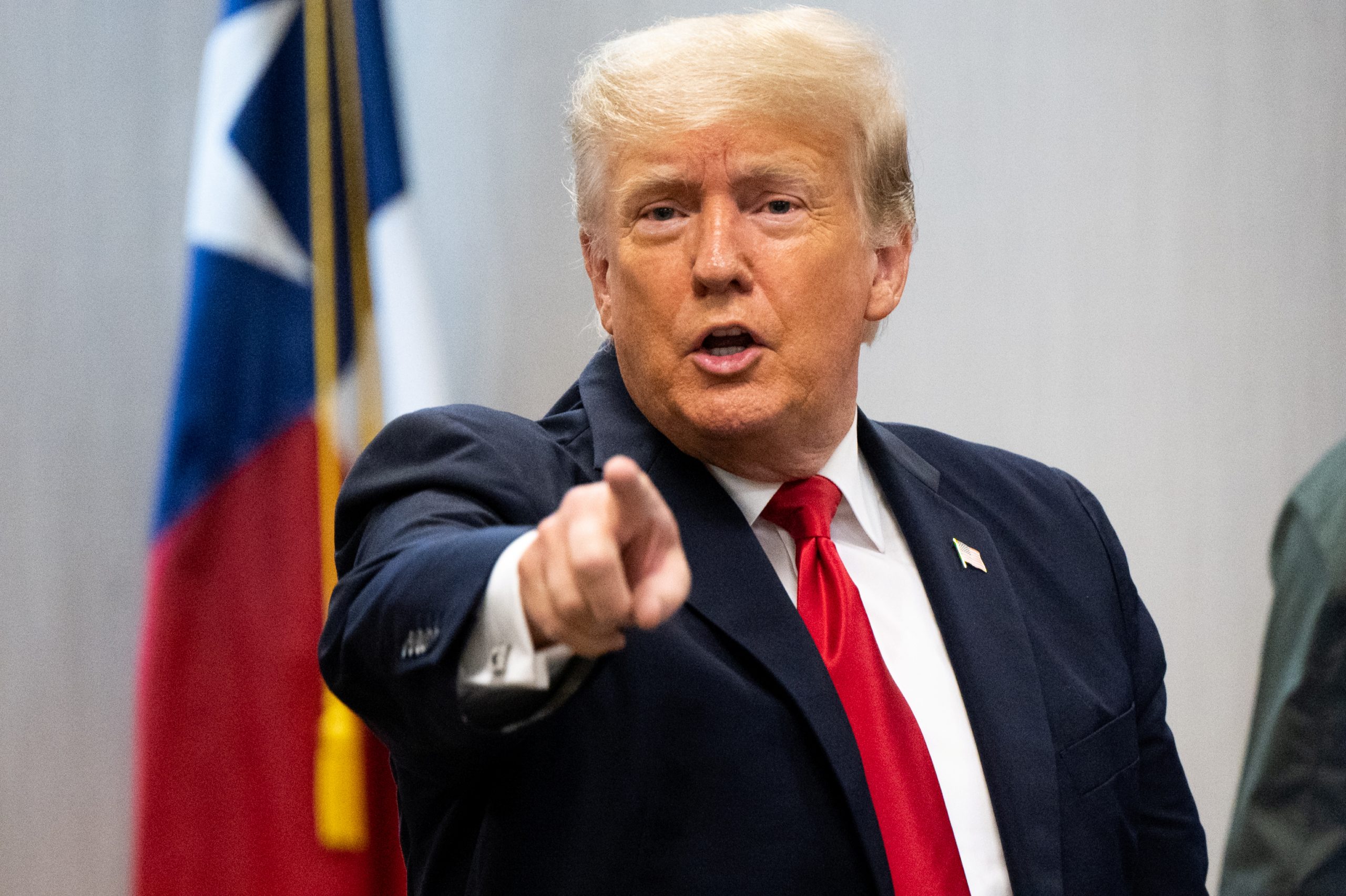
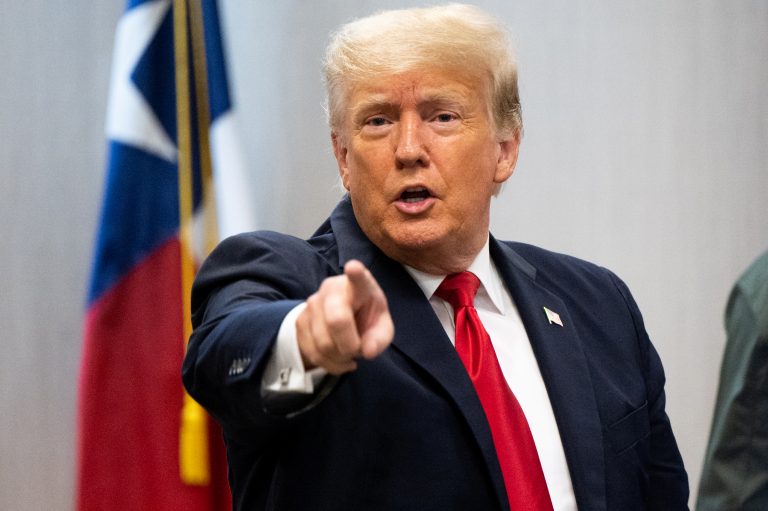
Former U.S. President Donald Trump addresses a member of the news media after attending a border security briefing with Texas Governor Greg Abbott to discuss security at the U.S. southern border with Mexico in Weslaco, Texas, U.S. June 30, 2021.
The Trump administration has unveiled a proposal that would restrict the length of time international students can remain in the United States for their studies.
According to the Department of Homeland Security (DHS), the regulation, which is expected to be published on Thursday, would impose a four-year cap on student visas and other categories of temporary admissions.
The DHS noted that the proposal is part of efforts to curb “visa abuse” and strengthen the government’s ability to “properly vet and oversee these individuals.
It added that some students have “taken advantage of U.S. generosity” and become “forever” students by staying enrolled in colleges to prolong their residence.
“For too long, past Administrations have allowed foreign students and other visa holders to remain in the U.S. virtually indefinitely, posing safety risks, costing untold amount of taxpayer dollars, and disadvantaging U.S. citizens,” a DHS spokesperson stated.
“This new proposed rule would end that abuse once and for all by limiting the amount of time certain visa holders are allowed to remain in the U.S., easing the burden on the federal government to properly oversee foreign students and their history,” the spokesperson continued.
Currently, F visa holders may stay in the U.S. for the “duration of status,” meaning the period they are enrolled full-time. The new proposal would allow stays for the length of a programme but would not permit them to exceed four years, generally less than the time needed for postgraduate studies.
Foreign journalists would also be affected. Under the plan, they would receive an initial admission period of 240 days, with the possibility of a single extension for another 240 days, but not longer than their assignment.
The DHS said regular assessments would provide “proper oversight” and help reduce the number of people residing in the U.S. on temporary visas.
About the Author


 Emmanuel Femi Adedayo
 Ademola Busayo