Ayo Marvel Chronicles the Life of Fuji Icon, Prince Adewale Wasiu Ayinde Anifowoshe (KWAM1)
 Ayo Marvel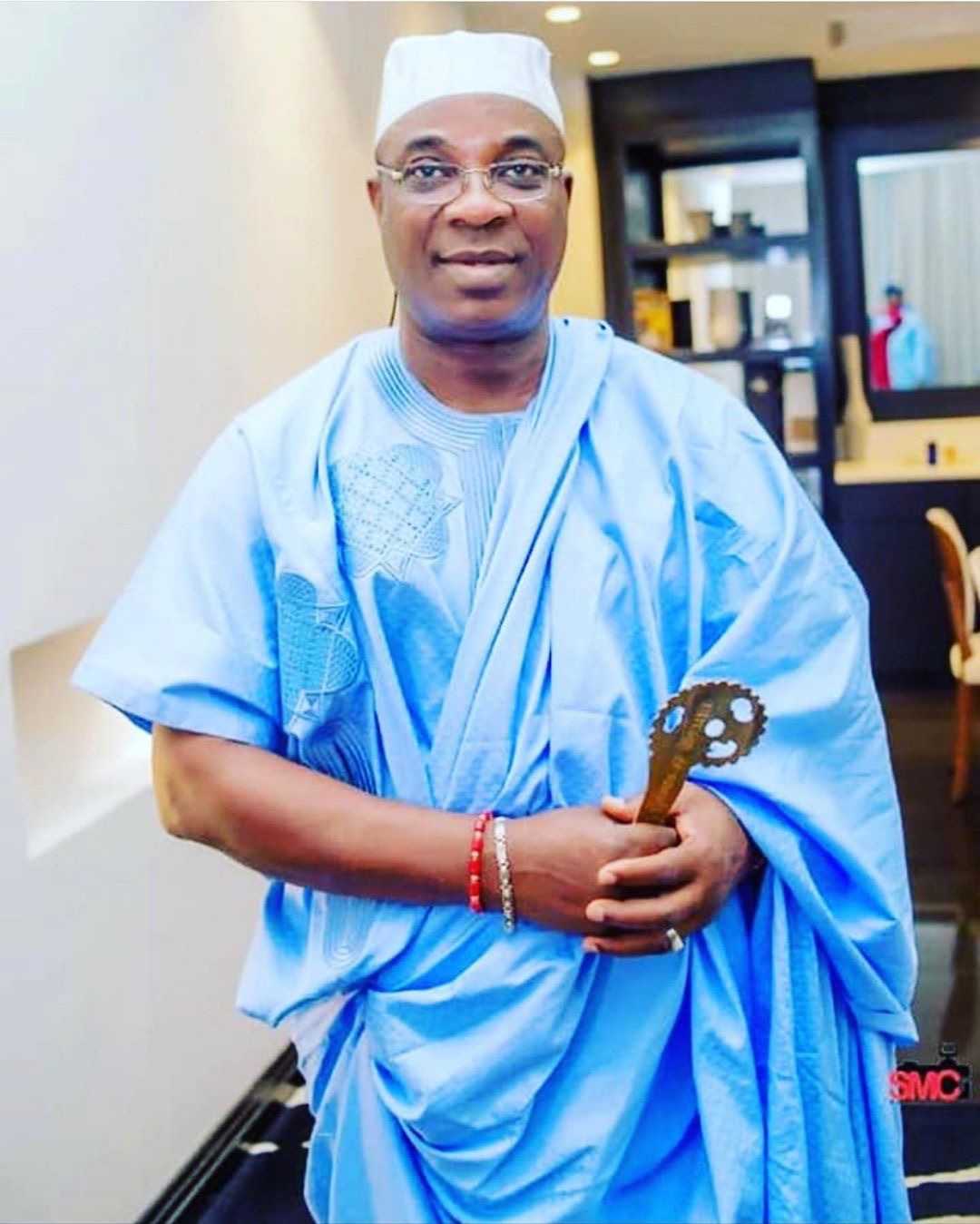
Prince Wasiu Omogbolahan Olasunkanmi Adewale Ayinde Anifowoshe, popularly known as King Wasiu Ayinde Marshal or K1 De Ultimate, MON was born on 3 March 1957 in Agarawu on Lagos Island, Lagos State, Nigeria.
He hails from Ijebu-Ode in Ogun State through his father’s lineage, while his mother is from Ilupeju-Ekiti. As of 2025 he is 68 years old, having marked over five decades at the forefront of Fuji music.
Wasiu Ayinde’s passion for music emerged at a very young age. According to accounts from his early life, he discovered his deep love for music at just 8 years old, often spending time practicing, listening to live performances, and observing local musicians.
His talent matured quickly, and by the age of fifteen, he had already won several local music competitions, earning admiration within his community and positioning himself as a rising star in the Fuji genre.
His talent eventually led him to join the band of the legendary Fuji pioneer, Dr. Sikiru Ayinde Barrister, where he first worked as an instrument-packer before becoming a full member of the Supreme Fuji Commanders in the mid-1970s.
He released his debut album “Iba” in 1980, and rose to national fame with the hit project “Talazo ’84”, which transformed Fuji music into a modern, globally-accepted sound.
His early achievements laid the foundation for a remarkable career that would later stretch beyond music circles into international recognition.
In 1989, Wasiu Ayinde was awarded an Honorary Degree (Honoris Causa) in Music by Saint John University, Bakersfield, USA.
The honour celebrated his cultural impact, his contributions to the evolution of Fuji music, and his influence on the wider African music tradition.
This recognition remains one of the prominent milestones in a journey defined by creativity, artistic leadership, and dedication to preserving the essence of Yoruba music on global stages.
Over the years, Wasiu Ayinde has been honoured with numerous traditional titles in recognition of his cultural influence and his contributions to Yoruba music.
Among his earliest chieftaincy recognitions were the titles Badabarawu of Ogijo in 1985 and Ekerin Amuludun of Ibadanland in 1986.
He was later crowned Oluaye of Fuji (King of Fuji), a title that symbolically affirmed his leadership role within the Fuji music tradition. In 1999, he received the senior honorary title Oluomo of Lagos from the Late Oba Oyekan, the Oba of Lagos.
In January 2020, the late Alaafin of Oyo, Oba Lamidi Adeyemi, formally installed him as the Mayegun of Yorubaland, a prestigious title bestowed to honour his cultural leadership and his role in promoting Yoruba arts and identity across the world.
In 2023, he was again honoured in Ijebuland with the titles Olori Omo-Oba Akile Ijebu and Otunba Afidipotemole of Akile Ijebu, bestowed by the late Awujale of Ijebuland, Oba Dr. Sikiru Kayode Adetona.
According to videos and images circulating online, after the late Awujale conferred the title Olori Omo-Oba Akile Ijebu on Prince Wasiu Ayinde, he proceeded for the Ipebi rites, where he spent several days in seclusion as part of the traditional process.
Upon his emergence from the rites, prominent dignitaries, royal families, close associates, and well-wishers visited him to pay homage and celebrate the occasion in grand style.
The ceremony and the Ipebi rites added a deep sense of royalty, symbolism, and cultural mystery, highlighting the significance of the title and hinting at an unfolding chapter in Ijebu tradition.
His recognition also extends beyond traditional institutions, including the national honour Member of the Order of the Niger (MON) from the Federal Republic of Nigeria.
In late 2025, Wasiu Ayinde publicly declared his interest in ascending the throne of the Awujale of Ijebuland, making a formal presentation to the traditional authority and tracing his ancestry to the Fusengbuwa ruling house.
In his declaration, he reiterated his heritage as a direct descendant of the Oba Jadiara lineage, positioning himself among the qualified princes for the revered stool of Ijebuland.
From his modest beginnings on Lagos Island to becoming the dominant figure in Fuji music, King Wasiu Ayinde’s career and cultural journey reflect a deep connection to Yoruba tradition and a lasting influence on Nigerian music history.
His work continues to inspire new generations of artists, while his traditional titles confirm his stature as both a musician and a respected cultural figure.
About the Author





 Emmanuel Femi Adedayo
 Ademola Busayo