Nigeria’s Debt at a ‘Critical Point’ — House of Rep Speaker, Abbas Tajudeen Sounds Alarm
 Emmanuel Femi Adedayo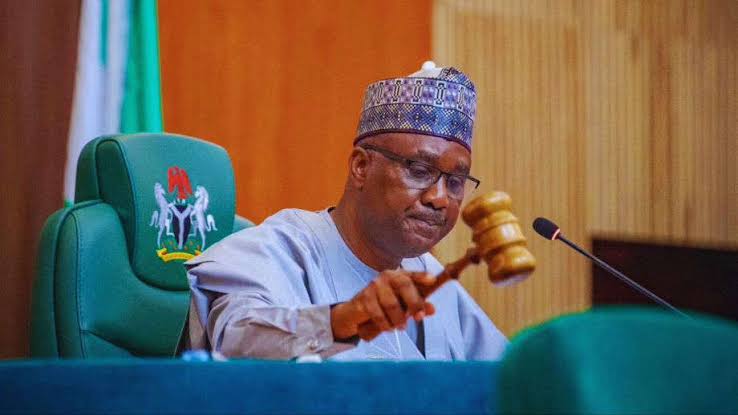
The Speaker of the House of Representatives, Abbas Tajudeen, has warned that Nigeria’s rising debt profile has reached a “critical point,” surpassing the country’s constitutional threshold.
He raised the alarm while speaking on Monday at the opening of the 11th Annual Conference and General Assembly of the West Africa Association of Public Accounts Committees (WAAPAC) in Abuja.
Abbas disclosed that Nigeria’s total public debt stood at N149.39 trillion (about US$97 billion) in the first quarter of 2025, up sharply from N121.7 trillion in 2024.
He added that the country’s debt-to-GDP ratio has risen to 52 per cent, breaching the 40 per cent ceiling set by law.
“This is a signal of strain on fiscal sustainability,” the Speaker warned, calling for stronger oversight, transparent borrowing, and reforms to ensure borrowed funds deliver measurable social and economic returns.
Abbas further cautioned that Nigeria risked following the path of other African countries already spending more on debt servicing than on essential services such as healthcare. He described the situation as “a structural crisis that demands urgent parliamentary attention and coordinated reform.”
To mitigate the risks, the Speaker announced Nigeria’s readiness to spearhead the creation of a West African Parliamentary Debt Oversight Framework under WAAPAC.
The initiative, he explained, will harmonise debt reporting across the sub-region, set transparency standards, and equip parliaments with data to scrutinise borrowing practices.
To mitigate the risks, the Speaker announced Nigeria’s readiness to spearhead the creation of a West African Parliamentary Debt Oversight Framework under WAAPAC. The initiative, he explained, will harmonise debt reporting across the sub-region, set transparency standards, and equip parliaments with data to scrutinise borrowing practices.
He also outlined plans for a regional capacity-building programme for Public Accounts and Finance Committees to strengthen their expertise in debt sustainability analysis and fiscal risk management.
While stressing that borrowing should focus on bridging infrastructure gaps, Abbas warned against reckless debt that fuels consumption or corruption.
“Oversight is not just about figures, but about the lives and futures behind those figures,” he said.
About the Author



 Ayo Marvel
 Ademola Busayo