United Kingdom Formally Recognises Palestine as an Independent State
 Emmanuel Femi Adedayo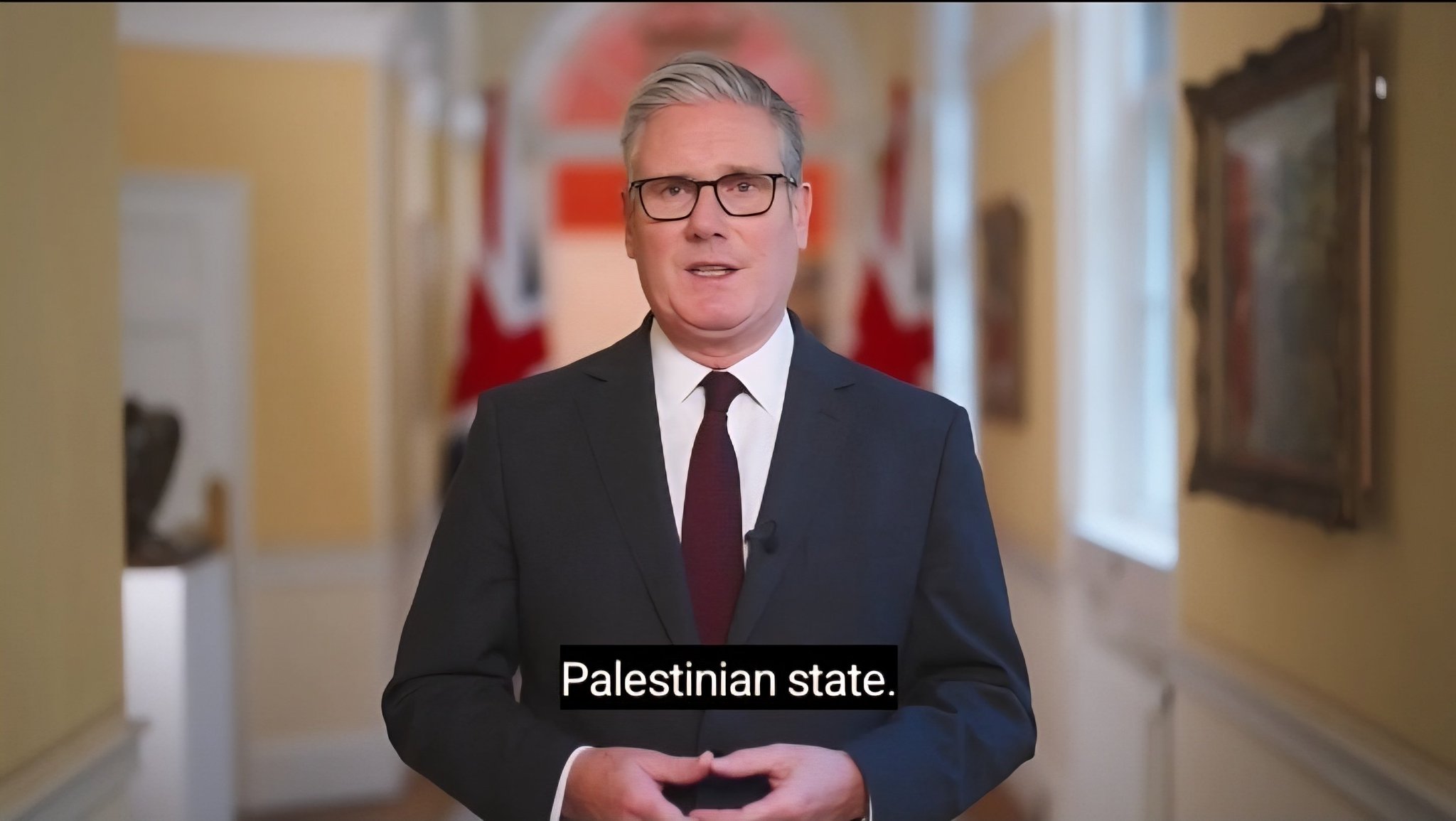
The UK has formally recognised Palestine as an independent state, Keir Starmer has said, in a deeply symbolic announcement which the government hopes will show its commitment to peace in the region and ease domestic political tensions.
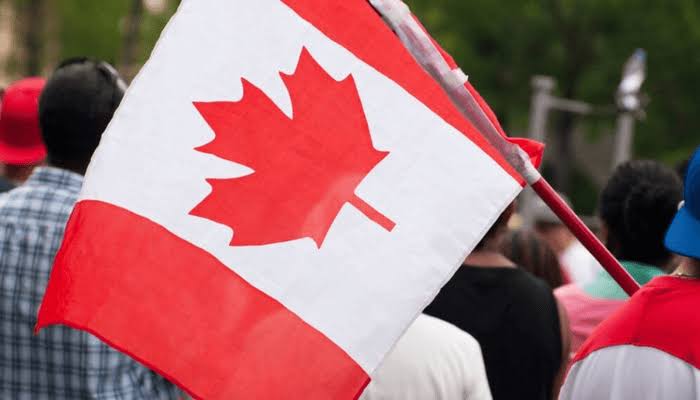
In a sign of the global concern over the humanitarian crisis in Gaza, Canada and Australia also made their own formal declarations recognising Palestine on Sunday ahead of a conference of the UN general assembly in New York.
The Israeli prime minister, Benjamin Netanyahu, immediately condemned the announcement – which the UK sees as a lever to push for a lasting settlement to end the illegal occupation of Palestine – calling it “absurd” and “a reward for terrorism”.
However, Starmer insisted that the government’s decision was not a reward for Hamas: he said the terrorist group’s senior figures would face further UK sanctions in coming weeks, and the group would play no part in a future reformed and elected Palestinian government. All remaining Israeli hostages must be released, Starmer added.
Downing Street believes that recognition will help to counter some of the criticism it has faced at home, including from in the cabinet and among Labour MPs, over its response to the Gaza crisis, ahead of what is expected to be a politically fraught annual conference.
In a video message to the nation, Starmer said: “The hope of a two-state solution is fading but we cannot let that light go out … Today, to revive the hope of peace and a two-state solution, I state clearly, as prime minister of this great country, that the UK formally recognises the state of Palestine.
“In the face of the growing horrors in the Middle East we are acting to keep alive the possibility of peace and a two-state solution. That means a safe and secure Israel, alongside a viable Palestinian state. At the moment we have neither.”
In an attempt to deal with criticisms of the announcement from the US and Israel, he said: “Let’s be frank, Hamas is a brutal terror organisation. Our call for a genuine two-state solution is the exact opposite of their hateful vision. So we are clear, this solution is not a reward for Hamas, because it means Hamas can have no future, no role in government, no role in security.”
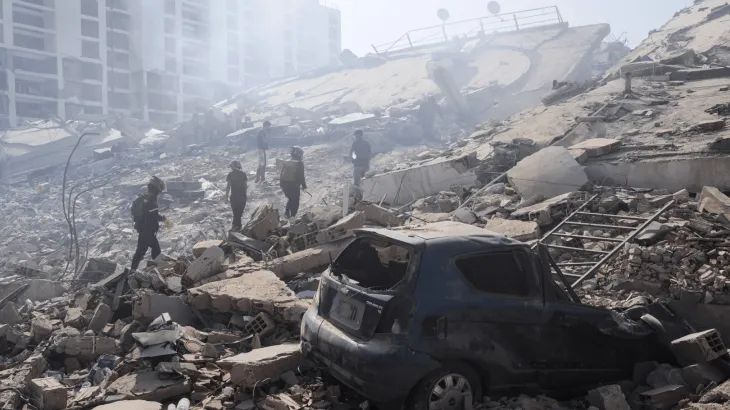
But he concluded: “The man-made humanitarian crisis in Gaza reaches new depths. The Israeli government’s relentless and increasing bombardment of Gaza, the offensive of recent weeks, the starvation and devastation are utterly intolerable. Tens of thousands have been killed, including thousands as they tried to collect food and water. This death and destruction horrifies all of us. It must end.”
The UK is to recognise a Palestinian state based provisionally on 1967 borders, before Israel occupied the Gaza Strip and West Bank. It will also pave the way for full diplomatic relations, with the Palestinian head of mission, Husam Zomlot, likely to be upgraded to full ambassadorial status.
Zomlot said: “It marks an irreversible step towards justice, peace and the correction of historic wrongs, including Britain’s colonial legacy, the Balfour Declaration and its role in the dispossession of the Palestinian people.”
Starmer first announced in July that the UK would recognise Palestine by the time of the UN general assembly, which begins next week, unless Israel abided by a ceasefire and committed to a two-state solution. The prime minister spoke to Netanyahu before the announcement.
More than 150 countries, including France, which has led the western response, are expected to have recognised Palestine by the end of next week, although some may set conditions. The United States, now in effect opposed to a two-state solution, has rejected the UK move.
Australia’s prime minister, Anthony Albanese, said: “Further steps, including the establishment of diplomatic relations and the opening of embassies will be considered as the Palestinian Authority makes further progress on commitments to reform.”
About the Author

 Ademola Busayo
 Ayo Marvel