Shoprite Closes All Stores Nationwide After 20 Years of Operations
 Emmanuel Femi Adedayo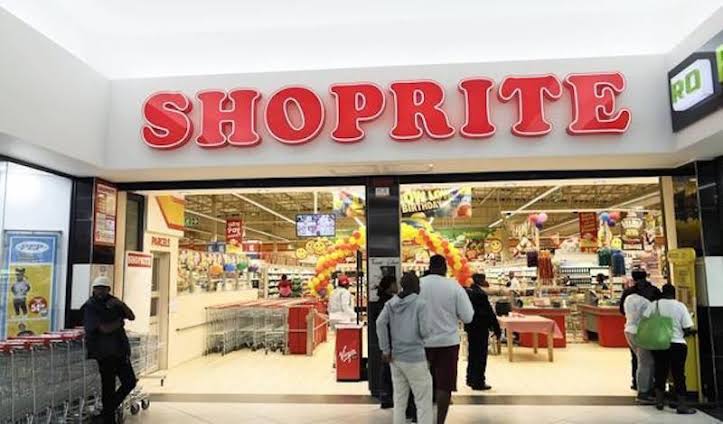
The closure of Shoprite, one of Nigeria’s most prominent supermarket chains, marks a seismic shift in the country’s retail landscape, sending shockwaves through an industry valued at an estimated ₦2.5 trillion. After two decades of operations, the retail giant has shuttered its outlets nationwide, prompting analysts to estimate that up to ₦1.4 trillion in economic activity may be at risk. The ripple effects extend far beyond the company’s balance sheet, affecting hundreds of ancillary businesses and thousands of workers, suppliers, and service providers who relied on Shoprite’s operations for their livelihoods.
The impact of the shutdown reaches deeply into households as well. For years, Shoprite served as a dependable destination for bulk purchases of food, beverages, household essentials, and locally manufactured products. Families and consumers across Nigeria, accustomed to its consistent availability and variety, are now confronted with limited alternatives, potentially reshaping shopping habits and forcing other retailers to absorb the displaced demand.
Shoprite as a Retail Ecosystem Anchor
Shoprite’s influence went beyond its own shelves. As an anchor tenant in malls and commercial centers, the chain drew substantial foot traffic, benefiting smaller businesses such as fashion boutiques, restaurants, pharmacies, and cinemas. With its exit, these establishments now face declining customer flows, reduced sales, and heightened uncertainty about their long-term viability. Mall operators, who relied on Shoprite to drive leasing income and shopper engagement, are similarly bracing for a downturn.
Internal investigations indicate that the closure stems from prolonged financial strain and ongoing inventory challenges faced by Retail Supermarkets Nigeria Limited (RSNL), the franchise operator of the Shoprite brand in Nigeria. Persistent supply chain disruptions, coupled with rising operational costs and shifting consumer behavior, gradually eroded profitability, culminating in the chain’s eventual withdrawal from the market.
The void left by Shoprite highlights broader vulnerabilities in Nigeria’s retail ecosystem, emphasizing the interconnectedness of large retail chains, small businesses, and everyday consumers. As the dust settles, industry observers predict a period of adjustment, with competitors and emerging players racing to fill the gap, though the scale and experience of Shoprite will be difficult to replicate.
From Rapid Growth to Sudden Contraction
Shoprite entered Nigeria in 2005 with the goal of transforming grocery and general household shopping. Rapid adoption by Nigerian consumers fueled the chain’s expansion to around 25 outlets across 13 states.
However, post-pandemic challenges—including border closures, foreign exchange shortages, rising import tariffs, and higher logistics costs—placed enormous pressure on the business.
In 2021, Shoprite Holdings Limited of South Africa exited direct ownership of its Nigerian operations, selling Shoprite Nigeria to Ketron Investment Limited, a consortium led by Persianas Investment Limited, owners of The Palms Mall and other retail properties. Under this arrangement, Shoprite Nigeria became a private entity operating on a franchise model, with administrative and technical support from its South African parent.
At the time of the sale, assurances of continuity were given to calm public anxiety. Under Nigerian ownership led by entrepreneur Toby Amusan, confidence briefly returned. Festive seasons saw renewed activity, with Shoprite vouchers exchanged as gifts and families returning to stores, especially during holidays.
Gradual Shutdown Signals Trouble
Optimism began to fade in 2024 as shoppers noticed persistently empty shelves across several outlets. Essentials such as tissue paper and food staples became scarce, with some stores carrying little more than wine, detergents, or toys. By the fourth quarter of 2025, multiple outlets in Lagos and other cities had shut entirely.
Visits to Shoprite locations in Lagos now reveal deserted premises where bustling supermarkets once served as the heartbeat of mall activity.
Not an Exit, But a “Reset”
RSNL maintains that the closure does not signal an exit from Nigeria. Rather, the company says it is undertaking a “comprehensive business model reset” to better align operations with current economic realities. Chief Strategy Officer Bunmi Cynthia Adeleye emphasized that the reset is aimed at sustainability amid macroeconomic challenges.
Despite these assurances, businesses affected by the closures face continued uncertainty. The timeline for Shoprite’s comeback remains unclear, leaving the nation’s mall economy, consumer confidence, and interconnected small businesses under strain.
Early Signs: Kano Closure
The winding down of Shoprite’s operations began in early 2024, starting with the Kano outlet at Ado Bayero Mall. Known for its bustling activity, the mall has since seen significantly reduced foot traffic, with several shops operating minimally or remaining empty.
In a letter to employees, Hubertus Rick, CEO of RSNL, announced the closure, stating:
About the Author


 Ayo Marvel

 Ademola Busayo