United States Begins Visa Ban on Religious Freedom Violators in Nigeria and Other Countries
 Emmanuel Femi Adedayo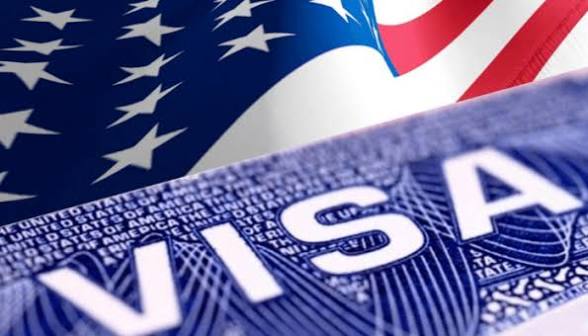
The United States has confirmed that it has already begun implementing visa restrictions targeting individuals and entities accused of violating religious freedom in Nigeria and other countries.
Mark Walker, the U.S. Principal Adviser for Global Religious Freedom, disclosed this development in a post on X on Friday.
“We have already executed on this policy, and we will continue to subject perpetrators to additional scrutiny,” Walker stated. “If you engage in persecution, you are not welcome in America. The United States is safer when we keep those responsible for religious persecution from entering our homeland.”
The policy, announced in December 2025 by U.S. Secretary of State Marco Rubio, allows the State Department to restrict visas for individuals who knowingly direct, authorise, fund, support, or carry out violations of religious freedom. Where appropriate, immediate family members may also face restrictions.
Rubio had described the measure as a decisive response to “atrocities and violence against Christians” in Nigeria, particularly attacks linked to radical Islamic terrorists, Fulani ethnic militias, and other actors.
The move aligns with Section 212(a)(3)(C) of the U.S. Immigration and Nationality Act and builds on earlier congressional actions.
In November 2025, Rep. Chris Smith, Chairman of the House Foreign Affairs Africa Subcommittee, introduced a resolution urging visa bans and asset freezes on perpetrators of severe religious freedom violations in Nigeria.
The resolution specifically highlighted groups such as the Miyetti Allah Cattle Breeders Association of Nigeria (MACBAN) and Miyetti Allah Kautal Hore.
In February 2026, U.S. lawmakers further proposed targeted sanctions, including visa bans, against figures like former Kano State Governor Rabiu Kwankwaso, citing alleged complicity in religious freedom violations.
Nigeria has faced repeated international scrutiny over reported attacks on Christian communities, particularly in the Middle Belt and northern regions. The country was previously designated a Country of Particular Concern (CPC) for religious freedom issues.
No specific names of individuals or entities affected by the current visa restrictions have been publicly released by the U.S. State Department.
The Nigerian government has in the past rejected accusations of complicity in religious persecution, describing some of the claims as exaggerated or politically motivated.
This latest enforcement signals continued US focus on global religious freedom under the current administration.
About the Author


 Ademola Busayo
 Ayo Marvel