Understanding ZAKAT: A Pillar of Charity and Social Responsibility in Islam
 Ayo Marvel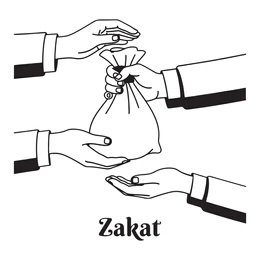
Zakat, one of the five pillars of Islam, remains a powerful system of charity designed to support the less privileged and promote social balance. For Muslims around the world, it is not just an act of kindness, it is a compulsory religious duty.
Derived from an Arabic word meaning “purification” and “growth,” ZAKAT represents a spiritual and financial responsibility. By giving a portion of their wealth, Muslims believe they purify their earnings and contribute to the well-being of society.
What is Zakat?
Zakat is an obligatory charity that eligible Muslims must pay annually. It is calculated as 2.5% of certain types of wealth, including savings, business income and valuable assets such as gold.
However, zakat is only required for those whose wealth reaches a minimum threshold known as nisab and has been held for one lunar year.
Who Benefits from Zakat?
Islam clearly outlines those who can receive zakat. These include:
- The poor and needy
- People struggling with debt
- Travelers in difficulty
- Individuals working to distribute zakat
- Others facing hardship
This structured system ensures that support reaches those who genuinely need help.
Why Zakat Matters
Zakat plays a major role in reducing poverty and strengthening communities. It encourages wealth distribution and reminds individuals that their resources are a trust from God.
In many Muslim communities, Zakat has helped fund education, healthcare and emergency support for families in need.
Zakat vs Sadaqah
While zakat is compulsory, sadaqah is voluntary charity. Muslims are encouraged to give sadaqah at any time, in any amount, as an additional act of kindness.
A Timeless System
For centuries, zakat has remained a vital tool for social welfare in Islam. Today, it continues to uplift lives, promote fairness and strengthen unity among people.
As economic challenges persist globally, the relevance of zakat as a system of compassion and responsibility remains stronger than ever.
About the Author



 Emmanuel Femi Adedayo
 Ademola Busayo