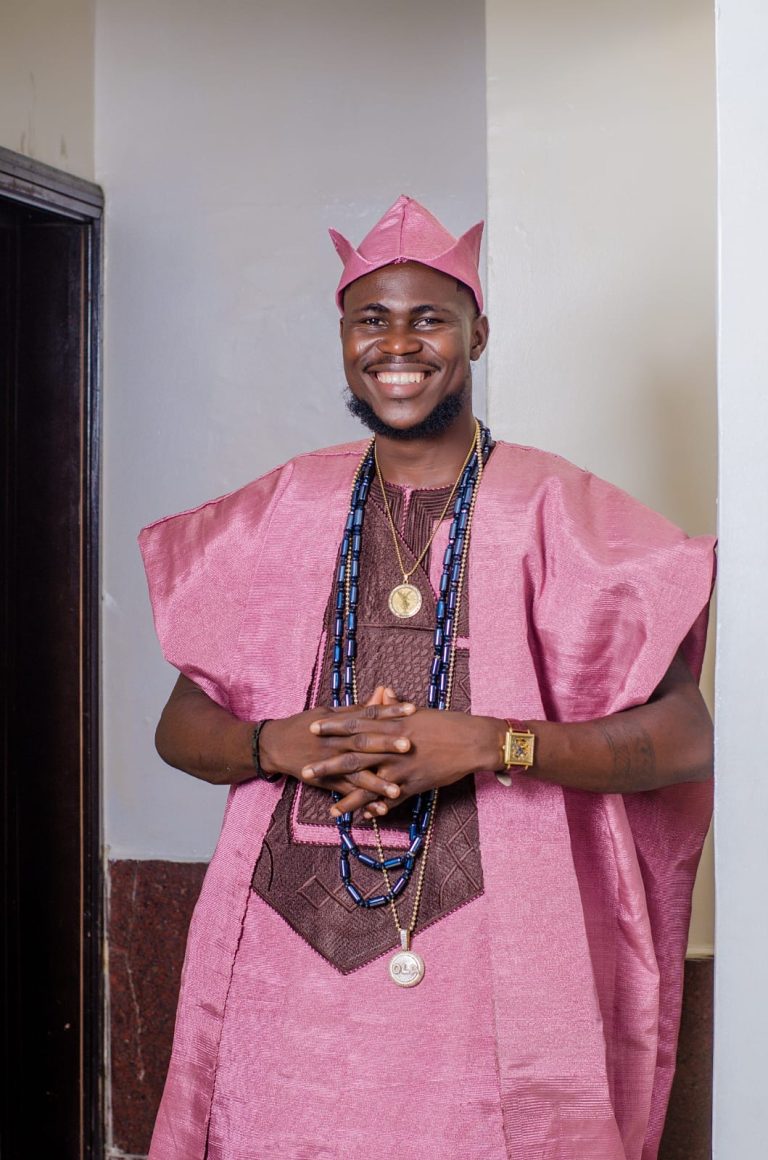
MY OPINION ON THE TOLUWANISINGS SAGA: WHAT IS REALLY GOING ON AND THE LESSONS WE MUST LEARN BY AYO MARVEL
 Ayo Marvel

It is deeply heartbreaking that a young, rising star like Toluwanisings has passed away at such a young age, just when his career appeared to be gaining momentum.
According to reports circulating online, he died following a cardiac arrest. May his soul rest in peace and may God grant his children, wife and entire family the strength to bear this painful loss.
However, beyond the sadness surrounding his death, the circumstances surrounding his burial have sparked serious conversations online. From the videos, statements and updates circulating on social media, there appears to be a disagreement between the deceased’s wife and his family over where he should be laid to rest.
LET US BREAK DOWN THE SITUATION AND THE LESSONS WE MUST LEARN.
1. THE DISAGREEMENT OVER HIS BURIAL
According to reports, Toluwanisings’ father expressed his desire for his son to be buried either in the house he built in Ibadan or in Ikirun at his side, where his mother was buried. His grandmother has reportedly supported the idea of burying him in his house, which the family considers part of his legacy.
However, the wife reportedly disagrees with these options. She is said to have explained that she does not want to live with the painful experience of seeing her husband’s grave every day and that Ikirun is too far away. Instead, she reportedly suggested that he be buried in a cemetery.
This has raised an important question: Who has the final say when a deceased man’s wife and family disagree over his burial?
Should the wishes of the wife take priority or should his parents and extended family have a say in deciding where their son and brother will be laid to rest?
In my opinion, this situation requires understanding, maturity and respect from both sides. Losing a loved one is painful, but disagreements during such a difficult period can make an already tragic situation even worse.
1. THE HOUSE HE WORKED HARD TO BUILD
Another issue that has caught my attention is the discussion surrounding the house Toluwanisings reportedly built during his lifetime.
His father has reportedly expressed a desire for him to be buried in that house, while concerns have also been raised about the possibility of the property being sold.
My question is simple: Why should selling a man’s legacy become a consideration so soon after his death, if that is indeed what is being contemplated?
A house represents more than bricks and cement. It can represent years of hard work, sacrifice, determination and the dreams a person worked tirelessly to achieve.
Rather than rushing into decisions about the property, I believe the family should consider preserving it, provided that doing so is financially and practically feasible. It could remain a valuable asset for his children and a place where his life, achievements and memories are remembered for generations.
However, we must also recognise that the ownership of the property, the rights of any beneficiaries and the deceased’s own wishes, if known, are important considerations. No decision should be based solely on assumptions or social media allegations.
1. THE REPORTS ABOUT HIS MOTHER AND HIS WIFE’S FAMILY
In one of the statements circulating online, Toluwanisings’ father reportedly said that the deceased’s mother died 6 months after giving birth to him.
Another relative reportedly claimed that the wife’s mother lived with the couple and alleged that Toluwanisings bought a house for his wife around the time of his wife’s birthday.
These are serious claims and they should be considered carefully rather than treated.
Nevertheless, the situation raises a broader question about family relationships. How well do couples maintain relationships with their respective families? Are boundaries, expectations and responsibilities discussed openly while both partners are alive?
A healthy marriage should ideally allow a man and his wife to build their own home while maintaining reasonable, respectful relationships with both sides of the family.
When a death occurs, those relationships can become particularly important, especially when difficult decisions must be made.
1. THE REPORTED GOFUNDME CAMPAIGN
Another issue that has attracted public attention is the reported fundraising campaign for the deceased’s wife and children, which people online say began within days of his death.
I believe we should approach this issue with compassion and caution.
There is nothing inherently wrong with raising funds to support a widow and her children after the loss of their breadwinner. In fact, helping a grieving family can be a genuine act of kindness.
However, transparency is essential. People deserve to understand who is organising a fundraiser, who will receive the money and how the funds will be used.
If the campaign is legitimate and intended to support the children and their mother, it should be handled transparently. At the same time, nobody should be accused of wrongdoing simply because a fundraising campaign was launched shortly after a death.
The welfare of the children should remain a priority and any financial support should be managed responsibly.
1. MEN, PLEASE LEARN FROM THIS SITUATION
One of the biggest lessons I believe men should learn from this unfortunate situation is the importance of preparing for the unexpected.
As men, we often work hard to provide for our wives and children, build houses, establish businesses and create a better future for our families. But we must also remember that life is unpredictable.
Death can come at any time, regardless of age, success or ambition.
While you are alive, make reasonable efforts to ensure that your family is financially secure. Keep important documents organised, make your wishes known, consider estate planning and ensure that your dependants understand the arrangements you have put in place.
Where appropriate, make a valid will and seek professional advice about property ownership, inheritance and the protection of your children’s interests.
Equally important, work towards a peaceful relationship between your wife and your family.
Do not wait until a crisis occurs before addressing long-standing misunderstandings. Encourage mutual respect, establish healthy boundaries, and make sure that disagreements are not allowed to grow into lasting hostility.
However, maintaining peace is a responsibility that should not rest on the man alone. His wife, parents, siblings and other relatives must also be willing to respect one another.
No amount of preparation can prevent every disagreement, but proper planning and healthy relationships can make difficult circumstances easier to manage.
1. MY FINAL THOUGHTS
Personally, I find this entire situation very sad. A young man has died, children have lost their father, a wife has lost her husband and father and relatives are mourning their son and family member.
This should be a time for compassion, not unnecessary hostility.
I believe both the wife and the deceased’s family should seek a peaceful resolution that considers his known wishes, the family’s cultural traditions, the wife’s concerns and the interests of his children.
If he clearly expressed where he wanted to be buried before his death, that wish deserves serious consideration. If he did not, the family should seek an agreement rather than turn his burial into a public battle.
At the same time, the question of who has the legal authority to decide his burial should not be answered by social media opinion alone. The applicable law, the circumstances and any clearly expressed wishes may all matter.
My concern is not to condemn the wife or to accuse the family of wrongdoing. Rather, I want us to reflect on how easily unresolved family issues can become more complicated when someone dies.
A man’s legacy should not be reduced to arguments over a burial place, a house or money raised online. His life, his achievements, and the future of his children deserve more thoughtful consideration.
QUESTIONS FOR PUBLIC DISCUSSION
- Who should have the final say over a deceased man’s burial when his wife and family disagree?
- If a man built a house and his family wants him buried there, should his wife’s personal concerns override that wish, particularly if his wishes were never clearly documented?
- Is it appropriate to begin fundraising for a widow and her children within days of their breadwinner’s death and what level of transparency should be expected?
- What practical steps should men take while alive to protect their children, provide for their wives and reduce disputes between their spouses and extended families?
Let us discuss these questions respectfully, without insulting the deceased’s wife or family. We may never know every detail of what happened behind closed doors, but we can still learn valuable lessons about marriage, family, preparation, and the importance of resolving conflicts while we are alive.
May Toluwanisings’ soul rest in peace and may God give his wife, children, parents and the entire family the strength to overcome this difficult period.
About the Author


 Ademola Busayo

 Emmanuel Femi Adedayo