Nigeria in Talks with China for $2bn Loan to Build National Super Grid, Says Minister of Power, Adebayo Adelabu
 Ademola Busayo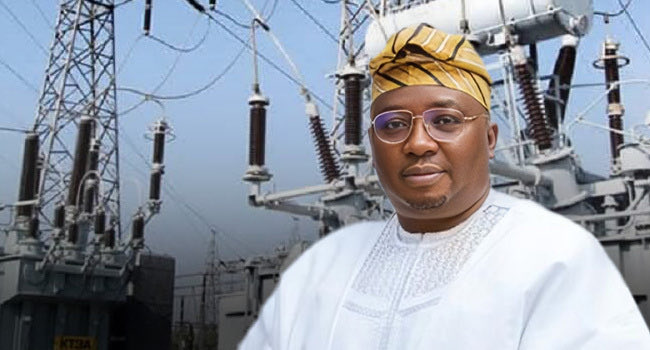
The Federal Government of Nigeria is currently in advanced discussions with the Export-Import Bank of China for a $2 billion loan facility to finance the construction of a new national super grid, aimed at transforming the country’s electricity transmission infrastructure and boosting power supply nationwide.
The Minister of Power, Chief Adebayo Adelabu, made this known while addressing journalists on the government’s ongoing efforts to reform the power sector. He explained that the proposed super grid project is designed to enhance transmission capacity, stabilize power delivery, and support Nigeria’s growing industrial and economic demands.
According to Adelabu, the new grid will serve as a complementary network to the existing transmission system, enabling more efficient power distribution from generation companies to consumers. The project is expected to drastically reduce transmission losses, improve reliability, and strengthen the country’s ability to handle future increases in electricity generation.
“We are in talks with China Exim Bank to secure about $2 billion for the construction of a national super grid. This will significantly improve power supply, open up industrial opportunities, and promote sustainable economic growth,” Adelabu said.
The Minister noted that the government’s energy roadmap focuses on expanding generation, transmission, and distribution capacities simultaneously. He added that the new super grid will support renewable energy integration, particularly from solar and hydro sources, while ensuring that Nigeria’s power infrastructure aligns with global standards.
Energy experts have lauded the initiative, describing it as a strategic move toward addressing one of the major bottlenecks in Nigeria’s power value chain — the transmission gap. With the existing grid already operating near capacity, the proposed super grid is expected to provide a long-term solution to frequent system collapses and power instability.
The government is optimistic that once funding is secured and implementation begins, the project will mark a major milestone in Nigeria’s journey toward achieving stable, efficient, and accessible electricity for all.
About the Author


 Emmanuel Femi Adedayo
 Ayo Marvel